Editorial Libraries

A collection your team can build on.

Original photography, motion and interviews, planned and organized around the stories your team needs to tell.

We look for the wider view and the small details: a place through the seasons, a process unfolding, a conversation worth keeping. Together, they give your team a consistent collection to draw from as new stories take shape.

Plan your collection

Original photography, motion, interviews and audio. Finished films and social pieces can be planned alongside the collection; we agree on the mix before production.

We review what you have, what you need to communicate and where the gaps are. Then we plan the people, places, processes and moments worth capturing.

We agree on clear file names, useful groupings and a delivery structure for the commissioned work.

Start with one focused production. Return when there is something worth adding, refreshing or seeing differently.
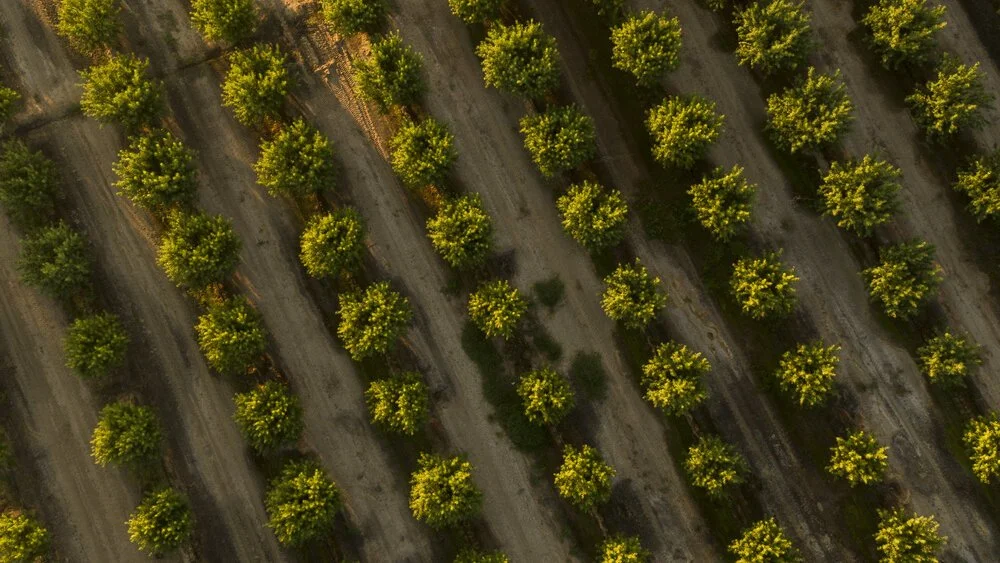
Aerial view of orchard rows
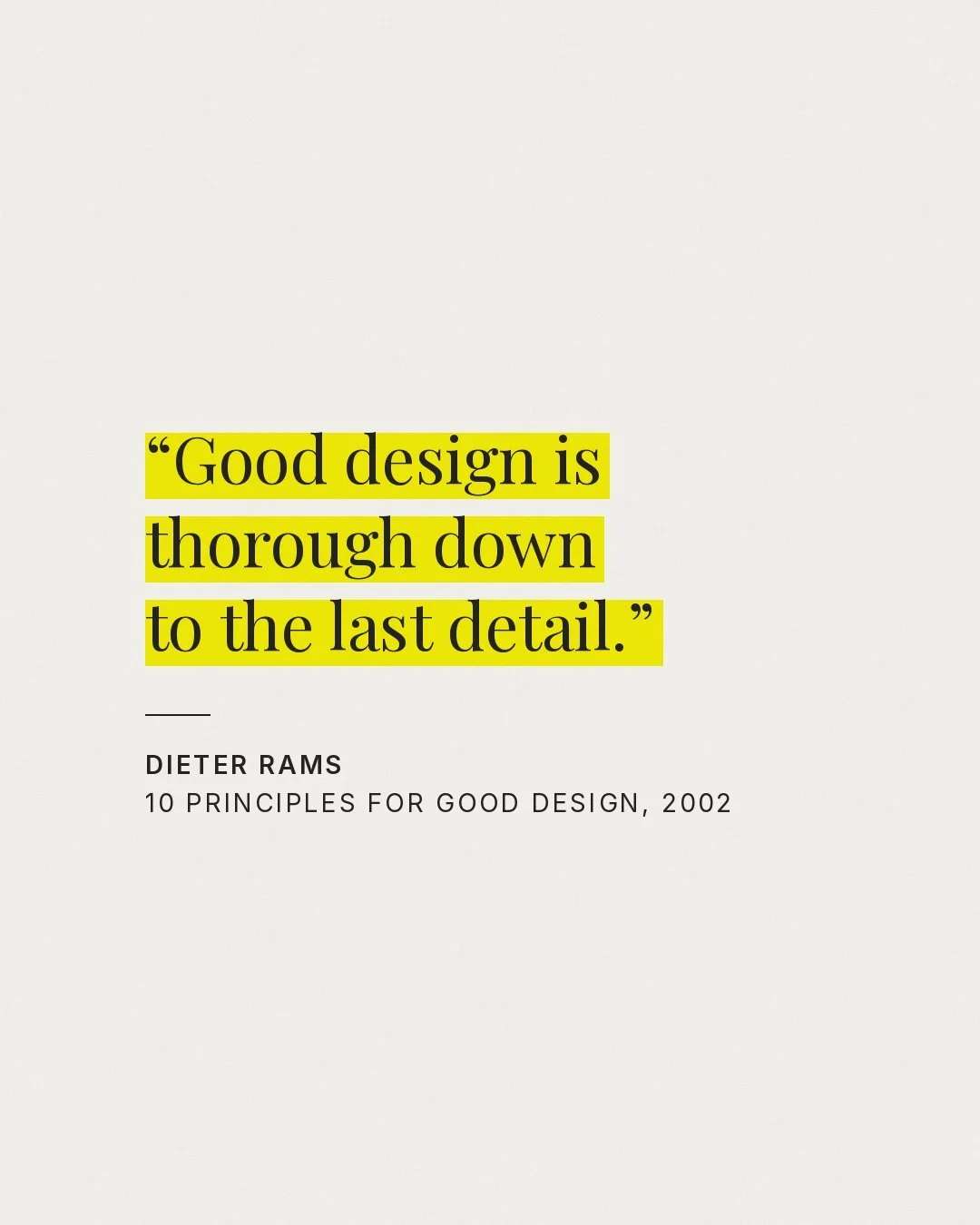
Rams — approved Words of Wisdom artwork
Olive trees and rolling agricultural hills
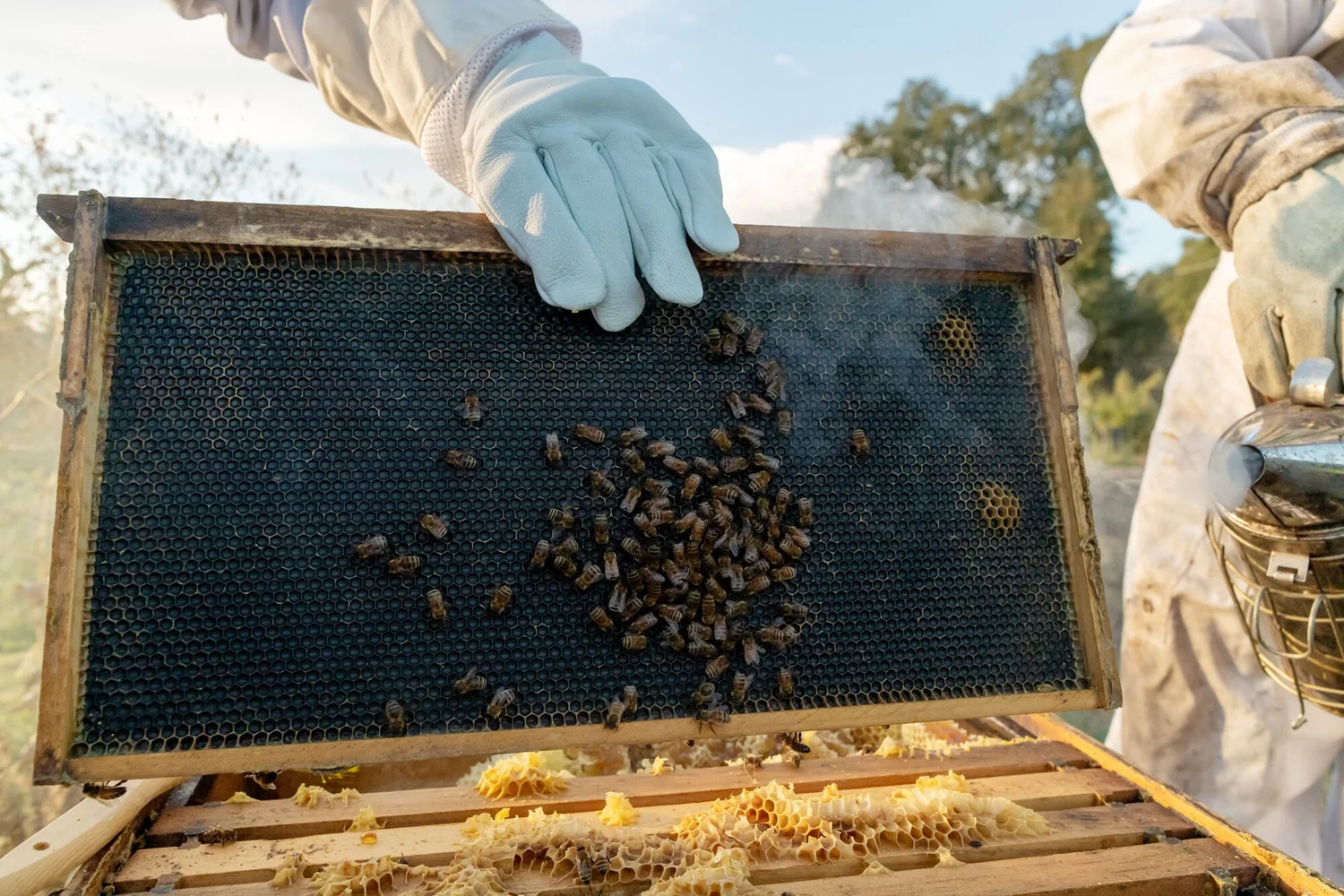
Bees at the hive
An idea is easiest to protect before anyone else has touched it.
It is also easiest to misunderstand.Inside our own heads, unfinished ideas come with invisible context. We know what inspired them, which part is unresolved, and what we imagine the finished version might become.Another person only has what is actually there.
That difference is useful.Share the idea early enough and someone may see the missing connection, question the premise we stopped questioning, or recognize that the part we considered secondary is actually the strongest thing in the room.Collaboration is most valuable while the idea can still move. Once enormous effort has been invested, feedback becomes expensive because every change starts feeling like lost work.Another perspective does not finish the idea for us.
It gives us another place to stand while deciding what the idea wants to become.
1 / 6
Sunlight filtering through a healthy forest canopy
A shared vision does not require everyone to see the work in exactly the same way. It grows through different perspectives, honest conversation, and enough trust to keep shaping the idea together. The work becomes stronger when each contribution can still be recognized within the whole.
Woman tending grapes in a vineyard
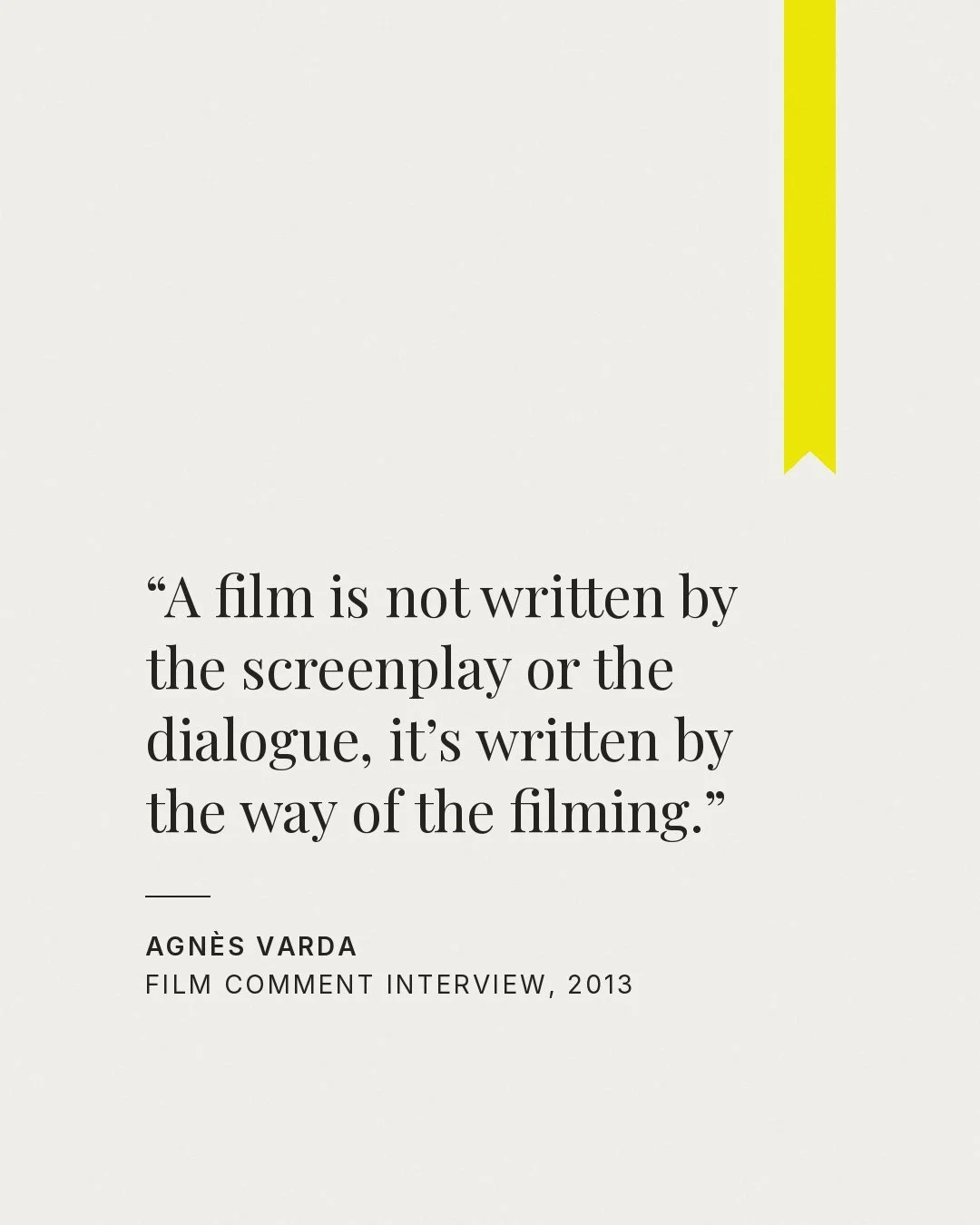
Varda — approved Words of Wisdom artwork
The shortest stories are rarely the simplest to tell. They require careful structure, balance, and a disciplined sense of restraint. Distillation isn’t about making a story smaller. It’s about shaping it so every part carries more meaning without excess.
A winemaker discussing wine at a tasting table
Harvest among the olive trees
Color carries mood before the story has said a word. Contrast directs the eye and gives the frame its energy. Together, they can make an image feel warm, restrained, vivid, or distant. The choices may be subtle, but their effect is immediate.
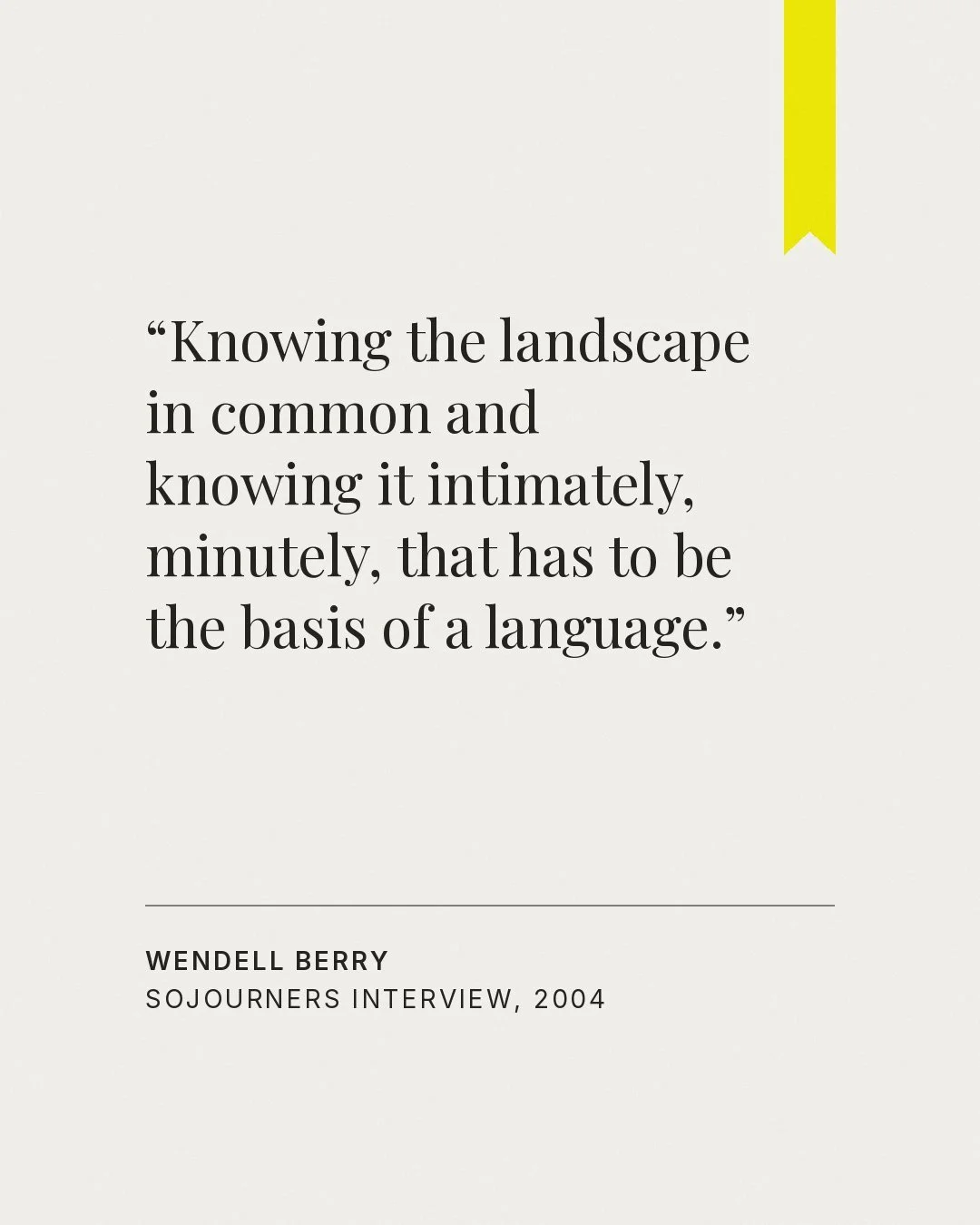
A place can begin as a setting and slowly become part of the maker’s language. Its light, seasons, stories, and presence enter the work almost without announcement. Over time, the landscape is no longer standing behind the subject. It becomes a collaborator.
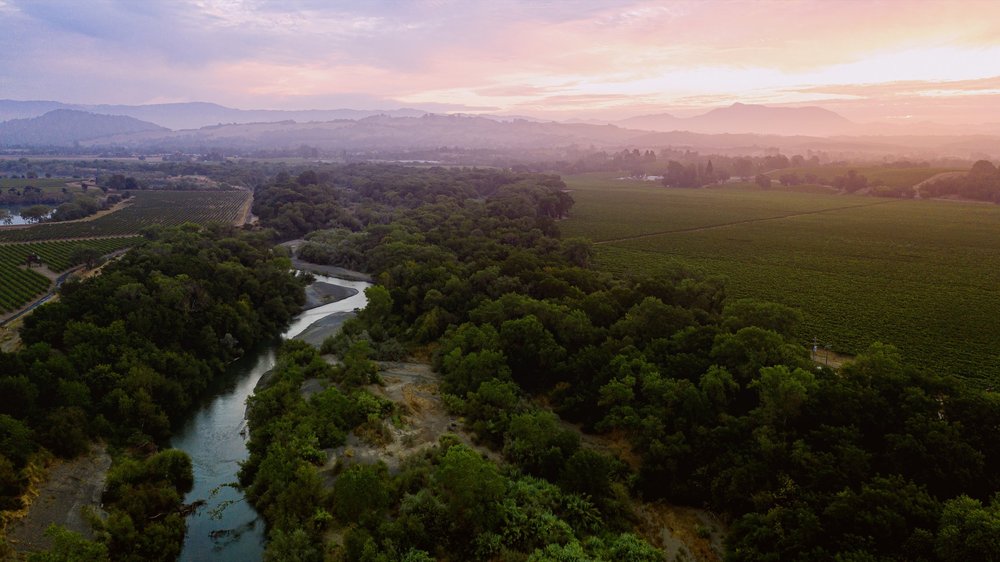
Russian River landscape
Berry — approved Words of Wisdom artwork
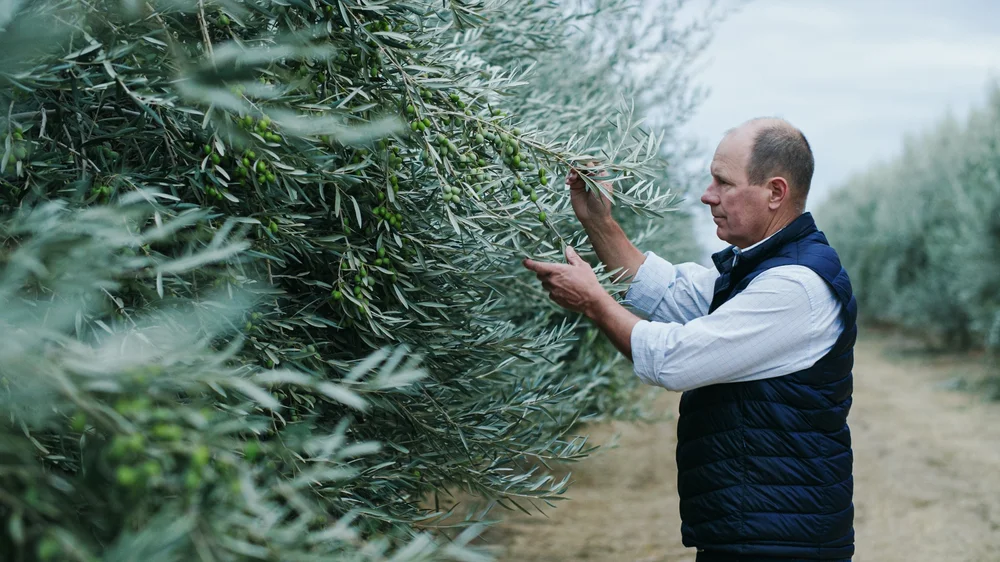
Olive grower inspecting the orchard
Not every useful photograph announces its purpose on the day it is made.Some images arrive with an obvious job: the campaign frame, the homepage hero, the portrait everyone knew the project needed. Others are quieter: a road, an empty room, someone working at the edge of the frame.On production day, those quieter images can feel secondary. Then time gives them context. A later story focuses on the person in the background. A new season changes what an earlier landscape means. An interview suddenly makes the road important.The image did not change.
Its relationships did.This is why a good archive is more than storage. It preserves the possibility that strong material will acquire new meaning as the brand, the people, and the body of work continue to grow.Good material can wait.
Sometimes the rest of the story simply has not been made yet.
1 / 6
Gloved hands holding a hive frame covered with bees
Preparation can look like the opposite of spontaneity.Schedules, shot lists, interview frameworks, access, equipment plans, coverage priorities. None of it is especially romantic. It is also what keeps preventable questions from consuming the production day.When the essentials are already understood, attention becomes available for something else: the conversation happening beside us, the person who leads us somewhere unexpected, the moment worth staying with a little longer.Preparation does not remove uncertainty.
It separates avoidable uncertainty from the useful kind.Useful uncertainty is where discovery lives. The answer that changes the next question. The process that begins sooner than expected. The frame that only exists because the actual place disagreed with the reference.Simple creates the structure.
Wild notices what the structure could never have predicted.


━━━━━━━━━━━━━━━━━━━━━━━━━━━━━━━━━━
1 / 6
Preparation has its own rhythm. Then there comes a moment when everything begins to move. What once felt gradual suddenly gathers momentum. Looking back, it seems inevitable. Living through it, it feels like learning to move with the moment.
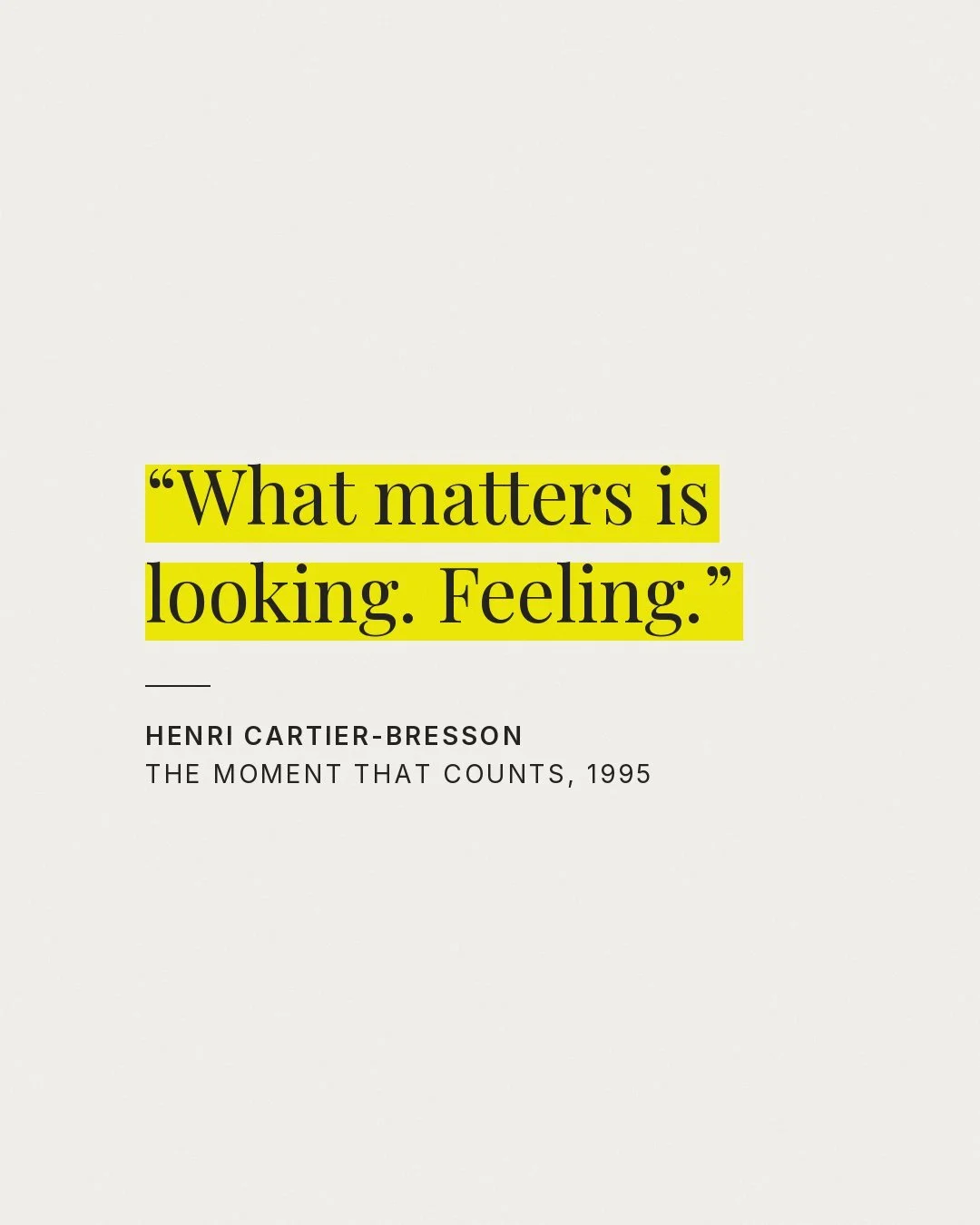
“What matters is looking. Feeling.” Henri Cartier-Bresson. The Moment That Counts, 1995.
Not every difference needs to be resolved. Some ideas become stronger because opposing qualities continue to shape one another. Tension is not always a problem to solve. Sometimes it is the reason the work feels alive. When held in balance, tension becomes a source of possibility.
Portrait at a rustic tasting table
Couple preparing chicken on an outdoor grill
References are useful until they become instructions for ignoring what is directly in front of us.A mood board can establish ambition, texture, pacing, or visual language. But if direction begins with a finished answer, the production may spend the day forcing a real place to resemble somebody else's picture.Observation asks different questions:
What is already strong here?
How do these people actually behave?
Which imperfection carries character?
What could only be made in this place?Observation does not eliminate direction.
It makes direction more specific.This matters especially with real people. Directing someone toward a version of themselves that already exists is usually more convincing than asking them to perform someone else's idea of authenticity.Creative direction gives the work intention.
Observation gives that intention evidence.


━━━━━━━━━━━━━━━━━━━━━━━━━━━━━━━━━━
1 / 6
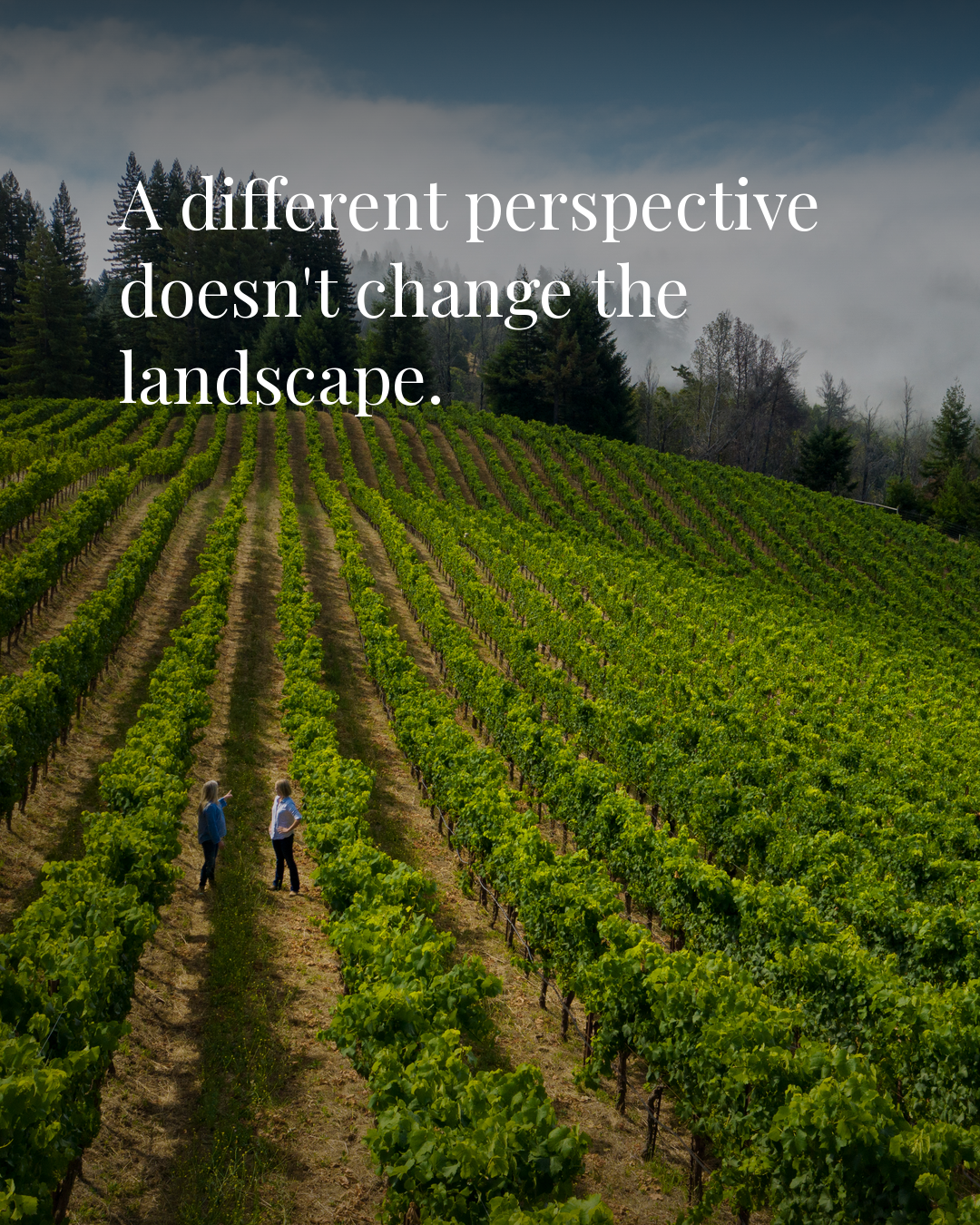
Vineyard rows beneath rolling green hills
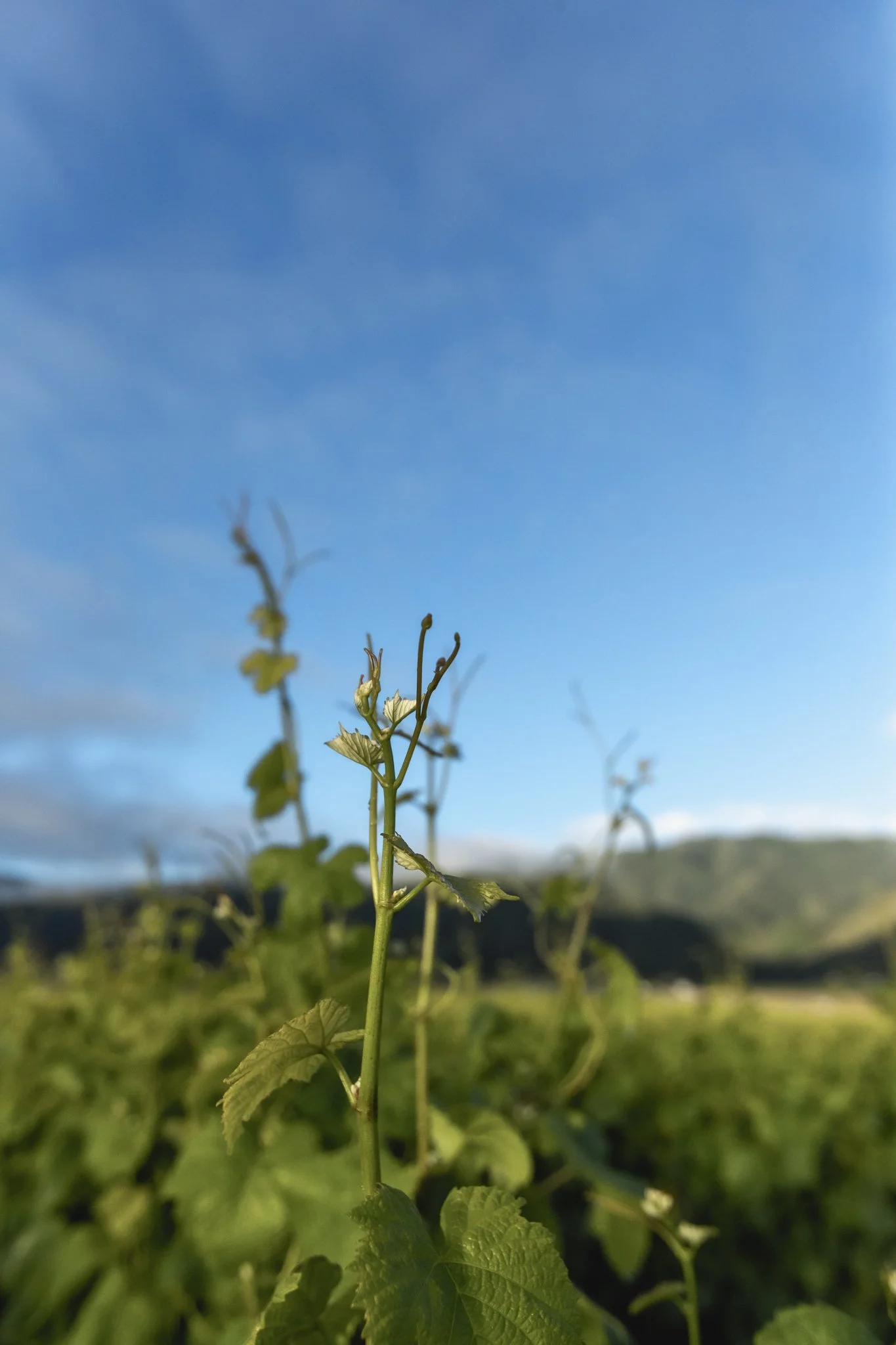
Young vine shoots against a clear blue sky
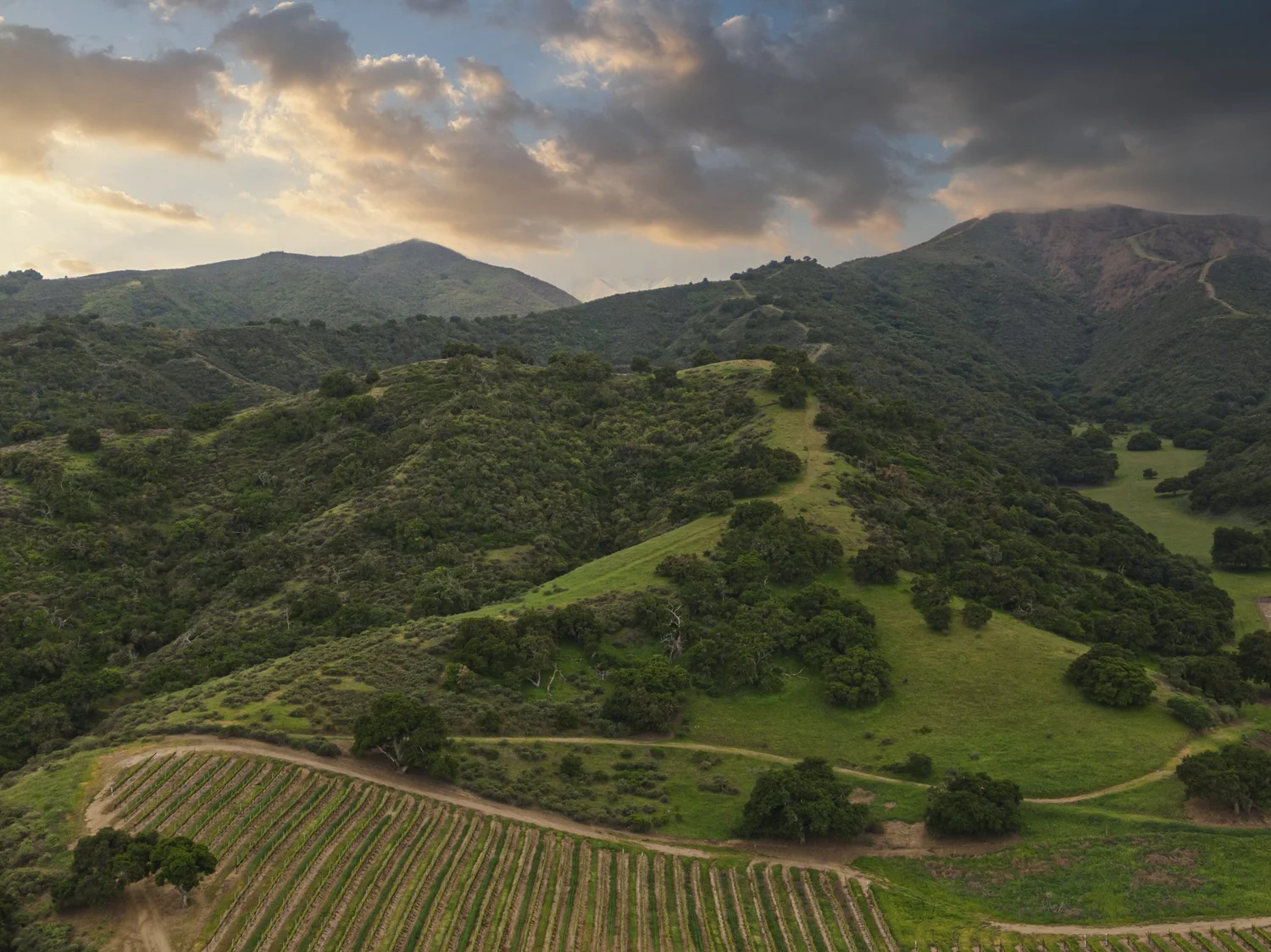
Rolling hills beneath a dramatic evening sky
The places that stay with us are rarely the ones we simply pass through. They are the places we return to, each visit adding another layer of familiarity and understanding. Over time, they become woven into our own story. Returning allows the relationship to continue growing.
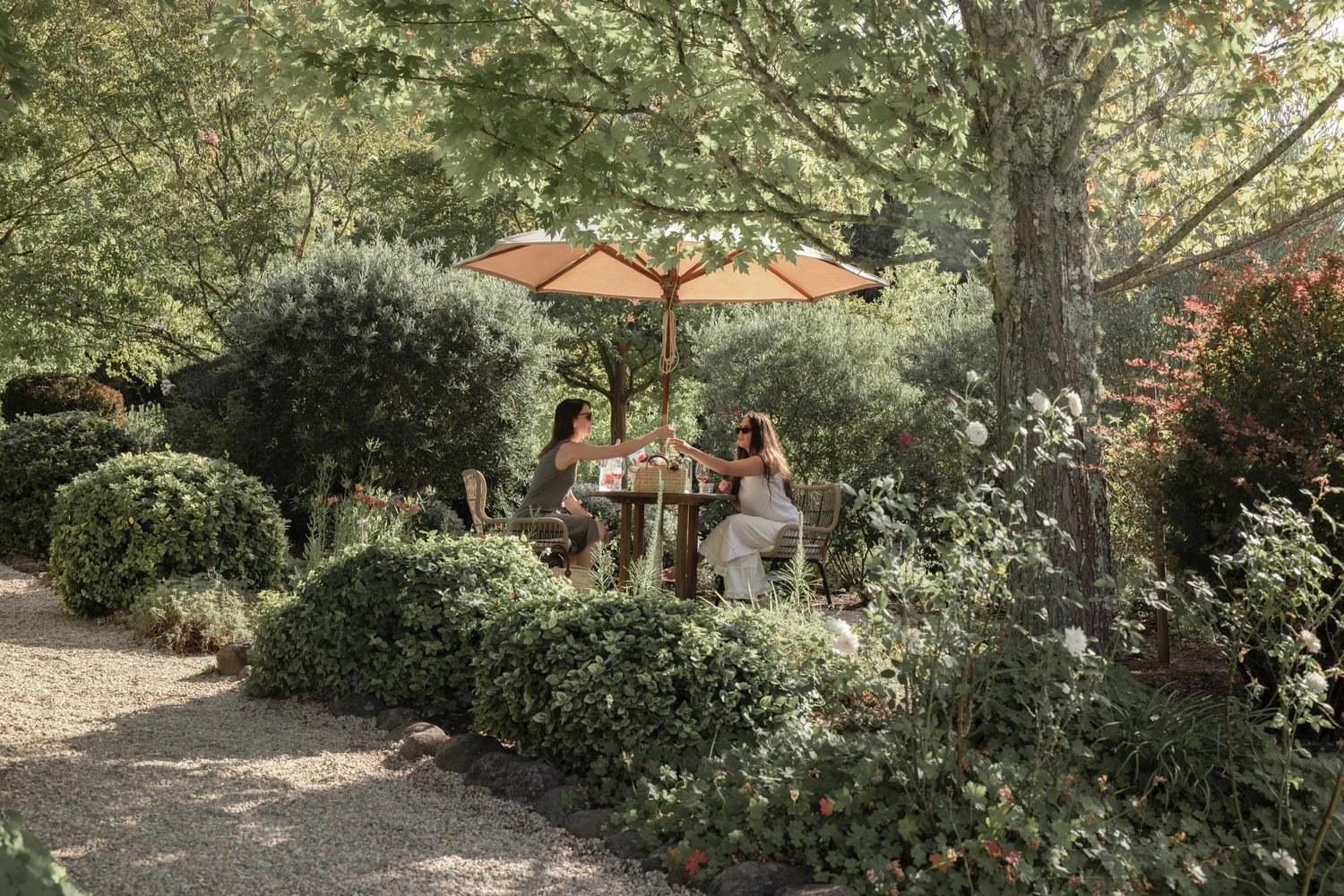
Guests seated beneath an umbrella in a garden
At the table
“Things take shape in material and in the process of working it.” Anni Albers. One Aspect of Art Work, 1944.
People picnicking beneath a large tree
Sheep grazing beneath vineyard trellises
Openness is not the absence of direction. It is the willingness to leave room for possibility. The work remains intentional while still allowing something unexpected to emerge. That openness keeps the work alive long after it is finished. It gives the idea room to keep expanding beyond its original form.
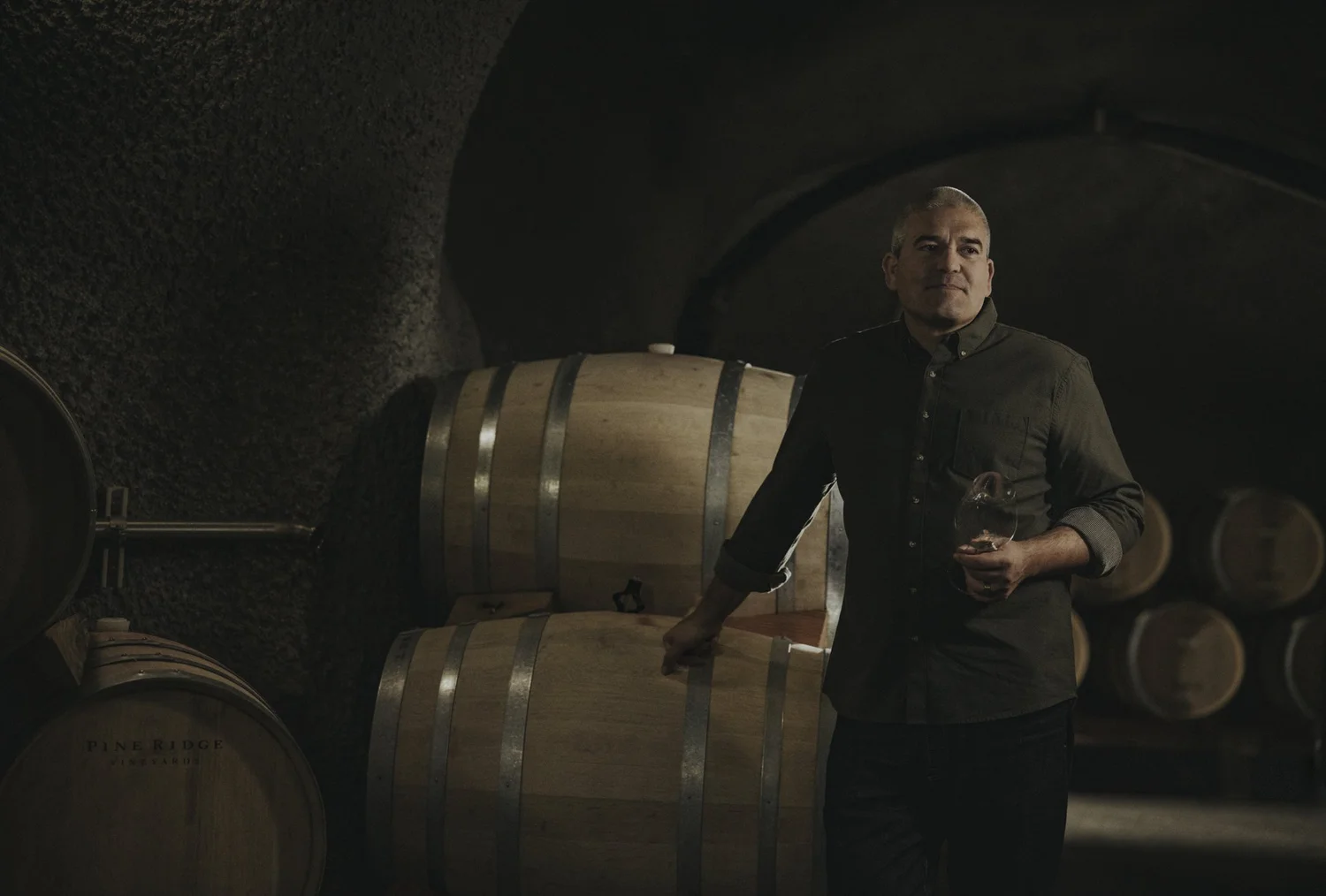
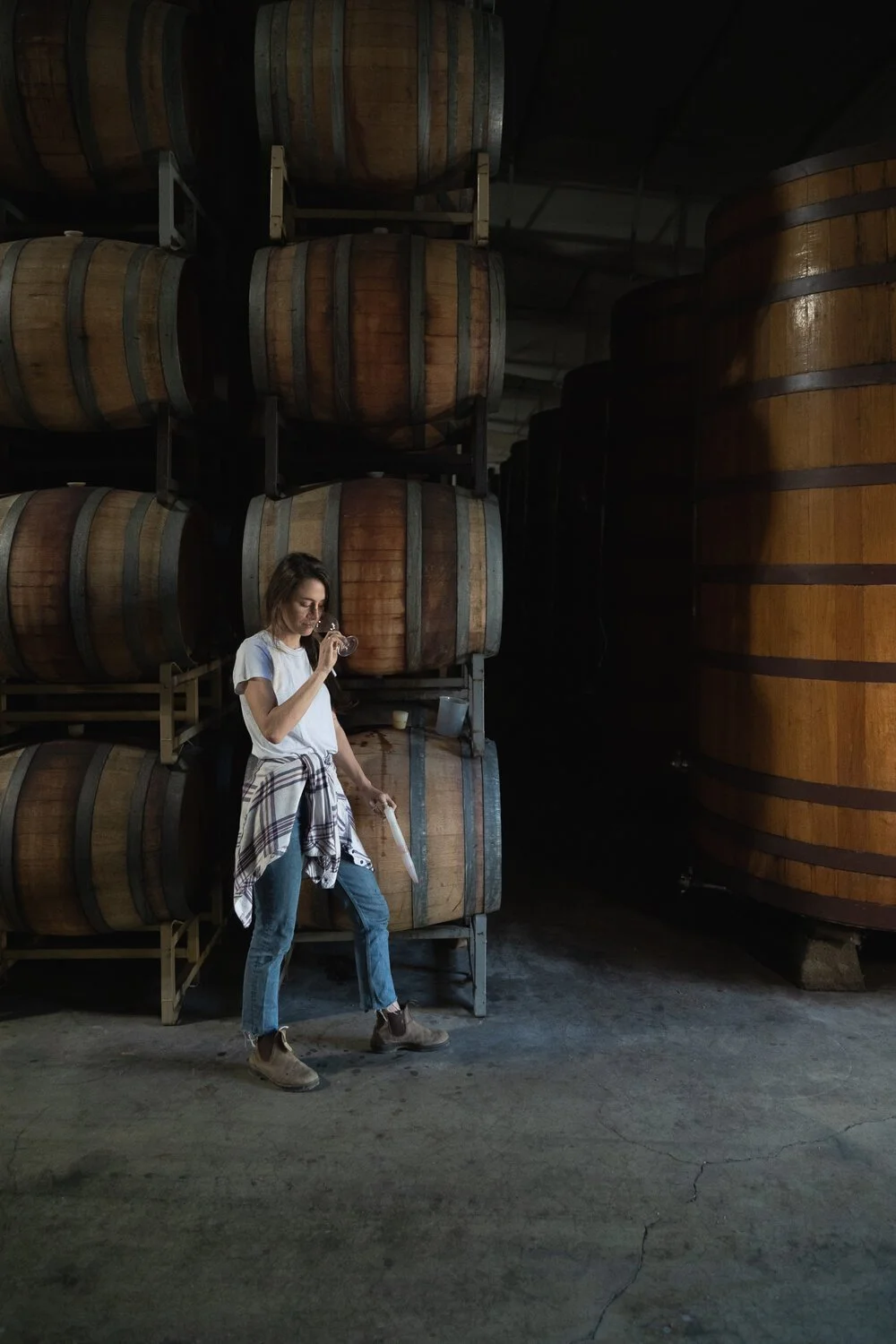
A portrait in the cellar
“The truth is rarely pure and never simple.” Oscar Wilde. The Importance of Being Earnest, 1895.
Morning mist over the vineyard
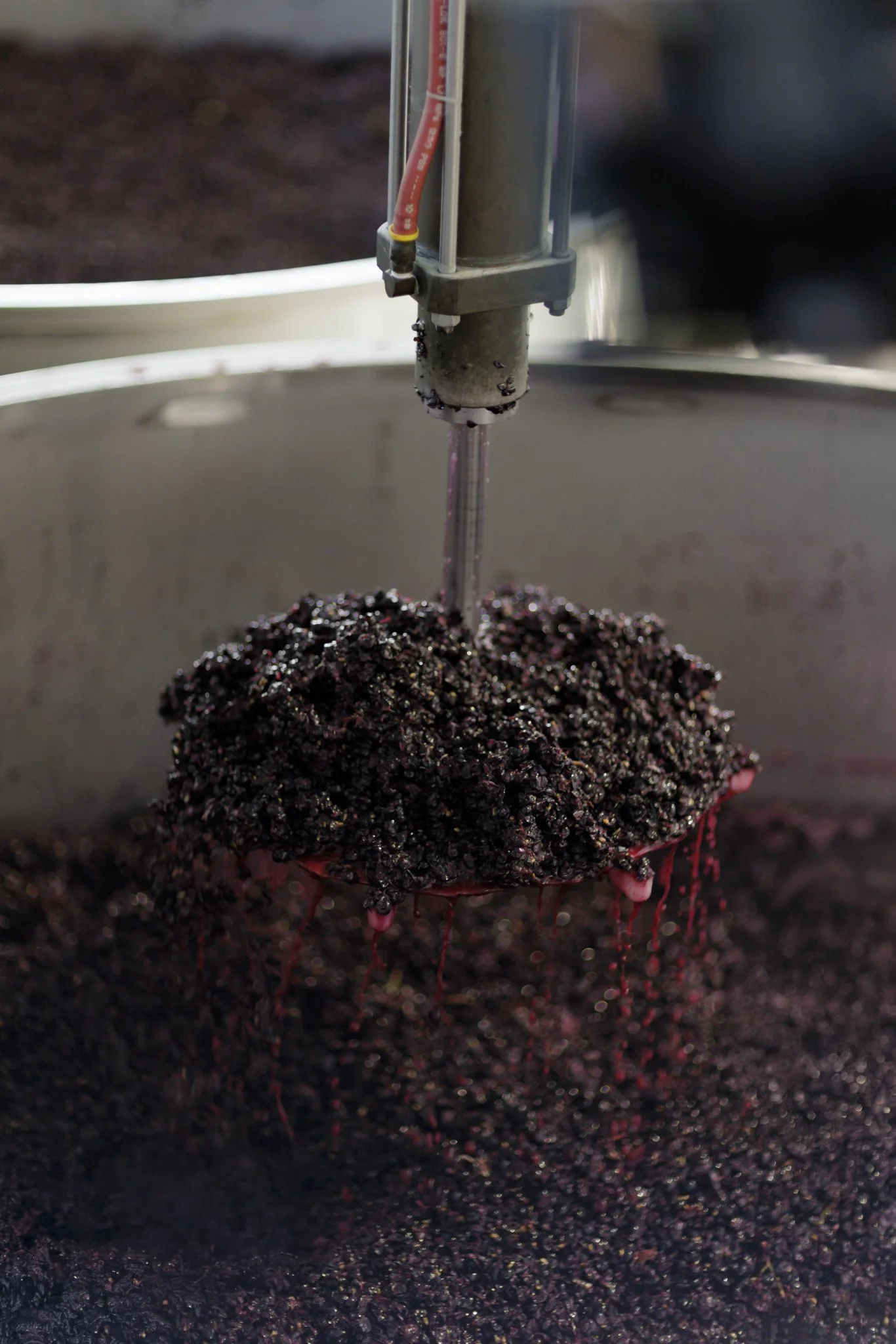
Harvest in the winery
Hand holding a wine glass above a blanket beside a fire
A moment in the cellar
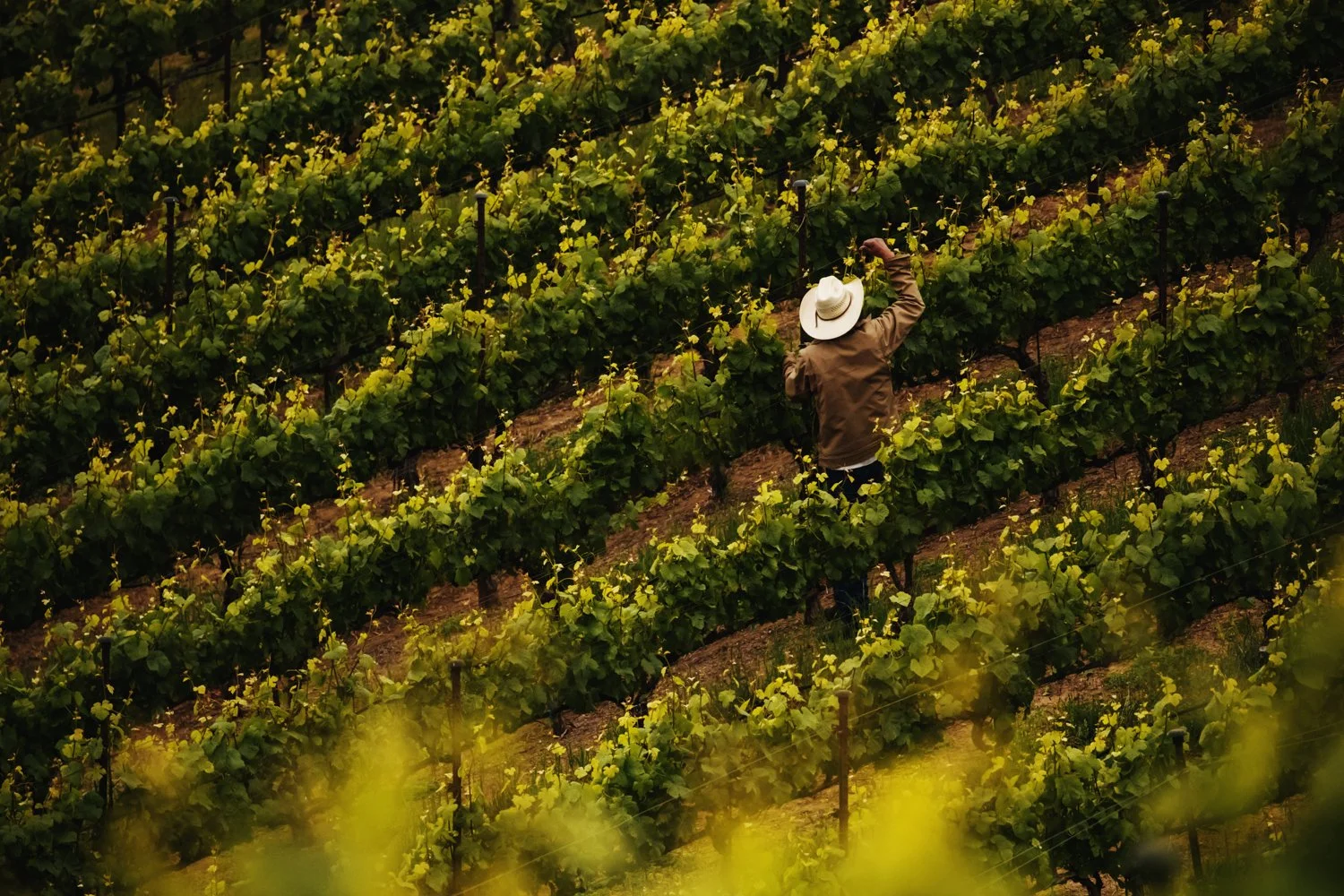
Tending the vines
Cattle on the hillside
A working moment among the vines
Man seated with a dog beside an outdoor grill
Two men standing beside a red pickup truck
A location is still an abstraction until you walk through it.Maps can tell us where things are. Reference photographs can show what a place looked like before. Neither tells us how the place actually behaves once people, equipment, movement, and time enter the picture.On a scout, relationships begin to appear. A room that looked generous becomes intimate. A vineyard block that seemed close changes the schedule. An ordinary corner suddenly explains more about the place than the view everyone photographs.Those discoveries change more than logistics. They change the questions, the shot list, and sometimes the story itself.The point is not to arrive on production day already knowing every frame. It is to know the place well enough that basic orientation is no longer consuming our attention.A good scout does not tell us exactly what to photograph.
It gives us enough understanding to notice what we could not have planned.


━━━━━━━━━━━━━━━━━━━━━━━━━━━━━━━━━━
1 / 6
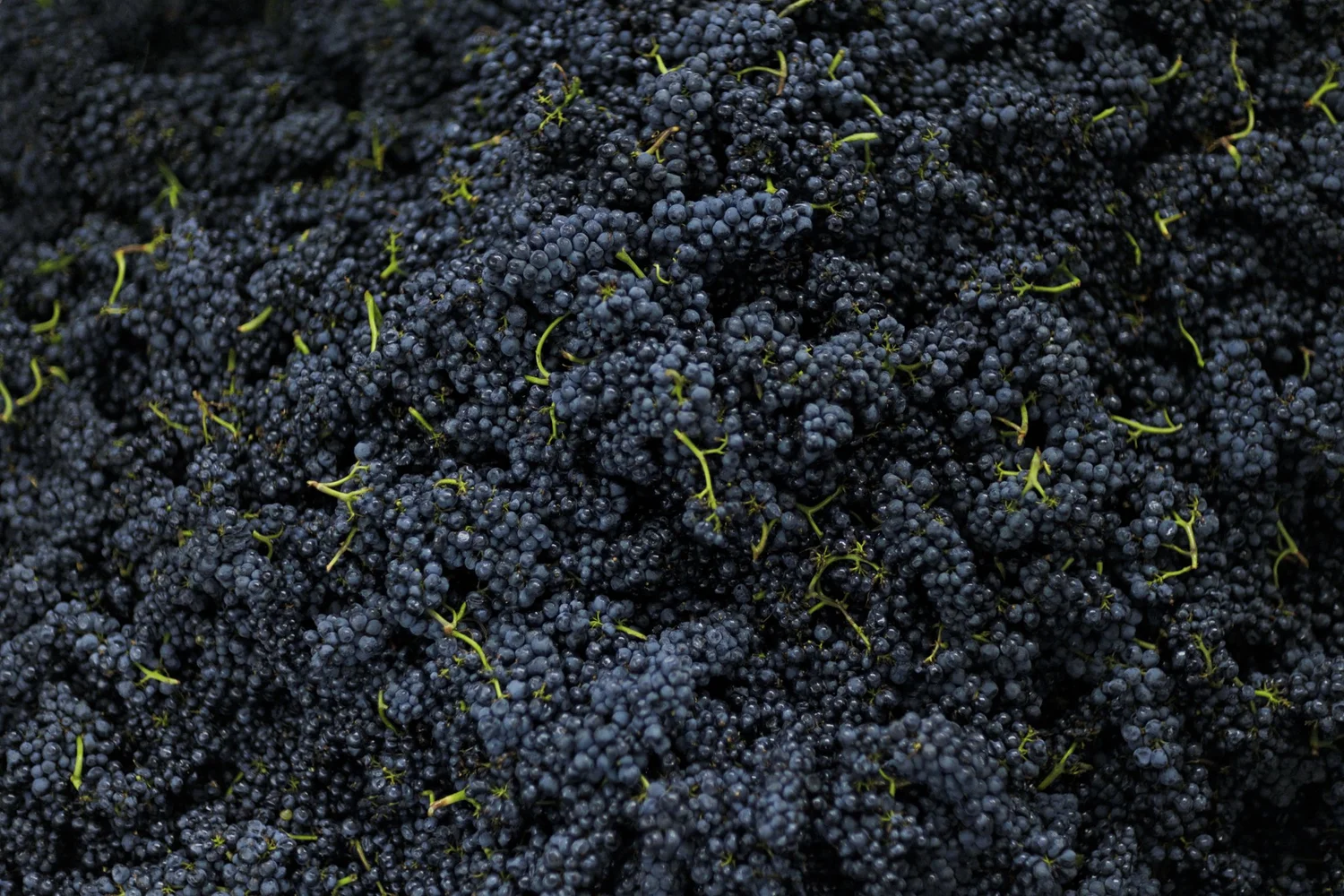
Grapes at harvest
A folder can contain hundreds of images and still leave a brand with little to say.Volume is not the same thing as range.
A useful body of work needs heroes, but it also needs people, place, process, product, details, transitions, motion, language, and quieter frames that give the larger story context.A library made entirely of hero images can become surprisingly difficult to use. Every frame is asking for maximum attention. Nothing connects one idea to the next.The better question is not, “How much can we capture?”
It is, “What will make this story usable now, and what will make the larger visual system stronger later?”That still requires restraint. Photographing everything imaginable creates abundance without judgment.Repeated production makes the system more valuable. New work adds people, places, seasons, and process. Earlier material gains meaning from what comes later. The archive begins behaving like a visual language instead of storage.One approach fills folders.
The other compounds.


━━━━━━━━━━━━━━━━━━━━━━━━━━━━━━━━━━
1 / 6
A gathering in the vineyard
Overhead view of a meal and wine glasses on a table
A place asks something particular of the people who live and work within it. Some invite patience, precision, resilience, or improvisation. Their pace enters the work. Their character shapes how people move, gather, make, and return. We learn the place by learning how to move within it.
Some places feel complete after you’ve seen the highlights. The Sonoma Coast isn’t one of them. Every road seems to lead to another. It never feels finished.
Three women tasting wine at an outdoor table
Sometimes the simplest stories carry the greatest depth. They don’t announce their complexity. They invite you to return, notice something new, and discover more than was evident on the surface. Balance and restraint allow simplicity to hold its depth.

What does your team need next?

Bring a brief, an existing collection or a story you want to explore.

Start a conversation →